

2021 - A Year of Change
Today, when I read this blog post on Exponent Philanthropy - Making a Little Go Far: How We Spark Economic Renewal in Our Rural Community I knew I had to share it as part of my Year of Change series.
I encourage you to read the full post, but here is a teaser.
Their COVID pivot was the 2020 Youth Corp campaign that employed 16 teenagers to paint curbs and buildings, pick up branches following storms, weed, help with story hours at the library, and more. A win-win for local teens and the community.
This post highlights creative thinking at its best. It is a reminder of the flexibility foundations have in awarding funding and of the impact of one man’s gift to his community. All of us can learn from Mr. Stretesky.
Photograph by Dan Meyers Dan Meyers @dmey503
Today, when I read this blog post on Exponent Philanthropy - Making a Little Go Far: How We Spark Economic Renewal in Our Rural Community I knew I had to share it as part of my Year of Change series. The post highlights the work of the William Stretesky Foundation which, in my opinion, is a breath of fresh air to traditional grantmaking.
The foundation is based in the northeastern corner of rural Colorado - Julesburg, Colorado which so happens to be the birthplace of my mother. It was formed almost 20 years ago from the estate of Mr. Stretesky that included over 11,000 acres of farmland. Grant dollars are generated through the ongoing leasing of this land to farmers.
So far, the foundation has awarded more than $7 million and is set to award $1 million yearly moving forward.
As in many rural communities, the area is struggling economically. As such, the foundation focuses on projects to enhance small businesses and nonprofits, historical preservation, and community improvement..
In the post, Kimberly Orth, executive director of the foundation highlights several projects she consideres their “most successful and popular.”
I encourage you to read the full post, but here is a teaser.
When was the last time you read of a foundation working with partners to develop a campaign focused on shopping local by allowing residents to buy $500 of local currency, called Bucks, at $450?
Or the Pay-It-Forward campaign where local businesses apply for utility credits in exchange for a small donation or item to be raffled through ticket sales? (Proceeds from the raffle benefit the local schools and nonprofits.)
Their COVID pivot was the 2020 Youth Corp campaign that employed 16 teenagers to paint curbs and buildings, pick up branches following storms, weed, help with story hours at the library, and more. A win-win for local teens and the community.
This post highlights creative thinking at its best. It is a reminder of the flexibility foundations have in awarding funding and of the impact of one man’s gift to his community. All of us can learn from Mr. Stretesky.
Photograph by Dan Meyers Dan Meyers @dmey503

2021 - A Year of Change
Think back on your own lives as you were starting your working life and careers. Did you have someone helping with daily living expenses such as rent or groceries? And if that wasn’t an option, how would your life be different?
In following a theme of change, let’s take a look at a twist to anti-poverty efforts: providing regular cash payments to those in need.
Enter SEED (Stockton Economic Empowerment Demonstration). Through a partnership with the Economic Security Project the city of Stockton, CA offered people in need what they needed most: cash. SEED launched February 2019. 125 people were randomly chosen from low-income census tracks to receive $500 monthly, to use as they please. The only mandate was participation in the research element of this project.
Preliminary findings are in and they may surprise you. This blog is inspired by the Nonprofit Quarterly’s article, Stockton Study Shows Power of Universal Basic Income Support written by Martin Levine and published March 17, 2021.
Image by Daniel Cheung @danielkcheung
In following a theme of change, let’s take a look at a twist to anti-poverty efforts: providing regular cash payments to those in need. This concept played a prominent role in the recent third round of coronavirus relief. The American Rescue Plan contains several provisions to help parents. Among them is an expansion of the Child Tax Credit for 2021 whereby eligible parents (based on income) will receive direct payments of $3,600 for kids ages 5 and under and $3,000 for children ages 6 to 17.
These direct payments, however, are rife with controversy. There are many concerned these dollars will encourage parents to pull out of the workforce.
Enter SEED (Stockton Economic Empowerment Demonstration). Through a partnership with the Economic Security Project the city of Stockton, CA offered people in need what they needed most: cash. SEED launched February 2019. 125 people were randomly chosen from low-income census tracks to receive $500 monthly, to use as they please. These individuals were provided guaranteed income for two years. The only mandate was the project’s research team could collect data designed to understand the benefits and harms of direct cash payments. Participants could withdraw from SEED at any time.
Research, via a randomized control trial, sought to answer these questions: How does guaranteed income impact income volatility? How do changes in income volatility impact psychological health and physical well-being? How does guaranteed income impact future selves?
Preliminary findings for the first year (February 2019- February 2020) are in. Here is what they learned:
Income levels month to month are steadier with the guaranteed dollars.
The “no strings attached” cash payments enabled recipients to obtain full-time employment.
Recipients were healthier with less depression and anxiety.
The payments provided a “peace of mind” that allowed people the space to think about their future, new opportunities, setting goals, and taking risks.
As one recipient commented, the dollars allowed her to buy groceries which eliminated the need for multiple visits to food pantries each month to feed her family. This change gave her back time and gave her options.
Think back on your own lives as you were starting your working life and careers. Did you have someone helping with daily living expenses such as rent or groceries? And if that wasn’t an option, how would your life be different?
A bit of food for thought. This blog is inspired by the Nonprofit Quarterly’s article, Stockton Study Shows Power of Universal Basic Income Support written by Martin Levine and published March 17, 2021.
Image by Daniel Cheung @danielkcheung

Pivot - Mommies in Need
What to do when shelter in place orders shuts down your ability to send nannies into homes to care for the young children of parents dealing with a health condition? You Pivot to virtual communities. Mommies in Need’s staff created content specific to children ages 3-6. The curriculum along with printed materials, activities, toys, etc are delivered to homes of qualifying families and Chromebooks or tablets are provided if needed. But the work didn’t stop there. To provide the parent with a bit of a break, one-on-one virtual sessions are scheduled with nannies and the child - all at no cost to families.
Mommies in Need is a relatively young organization formed to fit a specific niche - caring for the young children of parents diagnosed with an illness requiring ongoing medical treatment. Founded five years ago, the agency has provided over 20,000 hours of in-home care at no cost to families via nannies.
Enter the coronavirus pandemic. While shelter in place orders and social distancing are keeping many of us at home and making us think twice before entering businesses or restaurants one thing we can’t put on hold is caring for our own health. Mommies in Need’s Pivot, or response, is creating virtual communities.
Through these communities families receive printed materials and activities geared specifically for their young children ages 3 to 6. Plus, the agency schedules one-on-one virtual time with the children and a nanny to let parents have a bit of a break. Supplies, activities, toys, crafts, etc. are delivered to homes and a Chromebook or tablet is provided if needed - all at no cost to families. The virtual communities are open to families dealing with a health crisis along with families of first responders.
Virtual childcare - an example of innovation in programming.
Lakewood Advocate article on Mommies in Need and their pivot strategy in response to COVID-19.
Photo by Sara Torda @saratorda

2020's Word of the Year - Pivot
Nonprofits have always been resilient but the global pandemic is allowing them to showcase their creative and innovative sides in whole new ways. Over the next several weeks I am rolling out “Pivot” - a series of posts on organizations that I believe are taking innovation to new levels.
What do you think? Who would you showcase?
I don’t know about you, but I am seeing the resiliency of nonprofit organizations in full force. Agencies working on the front lines are seemingly pulling rabbits out of hats to meet the increased demand. And agencies not considered essential are taking the idea of “pivot” to new heights. Who knew that words and phrases such as virtual meetings, let’s Zoom, and how are you pivoting would become commonplace in a few short weeks?
Over the coming weeks I aim to highlight organizations that I believe are offering whole new meanings to the word pivot. These are groups that are not just pivoting their programs to the virtual space but are also reimagining their work. These are groups that are rethinking their industry, especially in the food and beverage and hospitality field, groups rolling out new videos, and people using technology to connect with each other and with their community.
What do you think? Who would you showcase?
Photo by niko photos @niko_photos

One Foundation's Response to COVID-19
Utilizing the super powers of foundations large and small.
The super powers of foundations small and large. An April 15 post on Exponent Philanthropy by Lynn Bentaleb, executive director of the Nancy Buck Ransom Foundation outlines how one foundation with one staff person quickly responded as the coronavirus pandemic was unfolding in the United States. She relies on a variety of resources as her guiding lights including her philanthropy mentors, Exponent Philanthropy, Vu Le and his takes on the nonprofit and funding communities, and the work of Trust Based Philanthropy.
As one of Lynn’s work mentors once said to her, “A crisis is a terrible thing to waste.” Let’s keep the story going about creative ways funders and nonprofits are responding to the COVID-19 crisis today and in the coming weeks, months, and years.
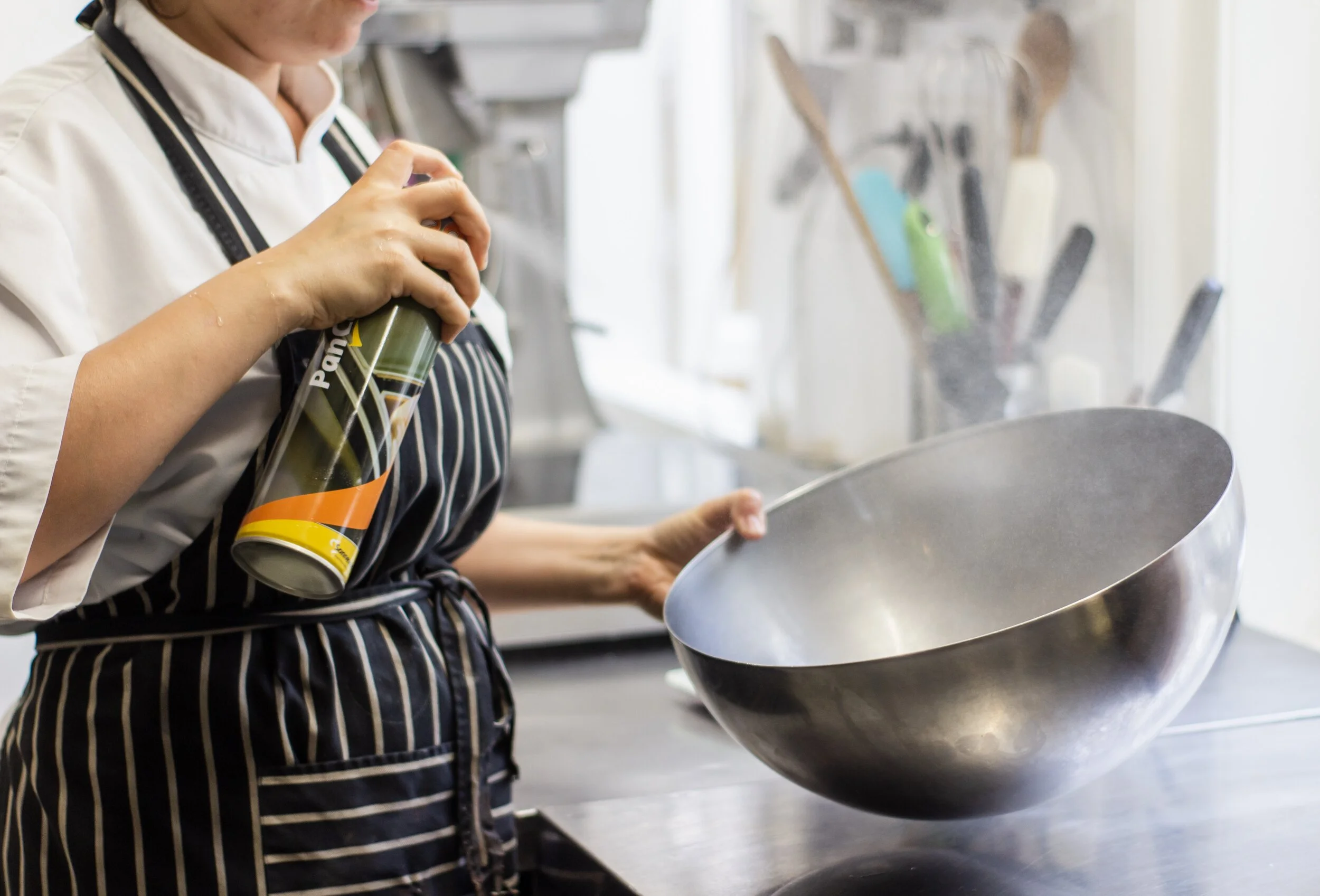
Philanthropy in Motion and the Restaurant Industry Amid COVID-19
A ray of hope during this pandemic. The intersection of philanthropy and innovation within the restaurant industry to help restaurant workers survive the downturn and to feed others in our communities who are struggling.
The COVID-19 outbreak is wreaking havoc on so many aspects of our economy both nationally and abroad. But one area in which I am seeing a ray of hope is within the restaurant Industry. According to the National Restaurant Association it was anticipated, prior to the pandemic, restaurants nationwide would record $899 billion in sales and employ 15.6 million people in 2020. To bring these numbers a little closer to home, last year in Texas 10% of the state’s employment was in restaurant and food service with some 1,344,200 jobs. Further, every dollar spent at a sit-down restaurant contributed $2.02 to the Texas economy and every dollar spent at a limited service site, such as drive-thru business contributed $1.77 to the Texas economy - nothing to sneeze at.
Given the significance of the restaurant industry to Texas and America’s economies and given the vast majority of jobs within the industry are filled by hourly workers, I am heartened to see philanthropy and innovation intersect in a way to help restaurant workers survive the downturn and to feed others in our communities who are struggling.
This past week I have been collecting examples of what I am calling “philanthropy in motion.” See what you think. Is there a place where you own giving might intersect?
Cafe Momentum E.A.T.s was launched at the same time Dallas began recognizing the impact of COVID-19 in North Texas. Cafe Momentum transformed its restaurant space into a temporary food hub and their interns began putting together meal packs for low-income families. The idea is to build 1,000 kits a week with each kit providing four dinners for a family of four. The effort is supported by the Get Shift Done Fund at the Communities Foundation of Texas. Dollars from this fund pay the interns while Cafe Momentum is seeking donations to to cover food and other costs.
Get Shift Done connects hospitality workers with nonprofits providing hunger relief throughout North Texas including food banks, pantries, and Momentum E.A.T.s. Donated dollars provide wages to hourly workers to fill shifts at $10/hour. Further, the Get Shift Done team is leveraging the Shiftsmart platform to onboard, train, schedule, dispatch, route, and pay assigned workers. Here is a March 29 article in the Dallas Morning News on this work.
Former Dallas Cowboy, Travis Frederick is raising funds to feed families. Ensuring people have food is a cause he has been passionate about for years and is the reason he established the Blocking Out Hunger Foundation. Through the foundation, funds are being raised to provide food to families in low-income neighborhoods during this crisis.
The Furlough Kitchen opened March 25. It is run by Front Burner Group Dining in collaboration with CitySquare and is providing a free meal daily to anyone in the hospitality industry who has been furloughed.
Pecan Lodge is remembering its roots and struggles during the 2008 recession by establishing the Dinner Bell as a nonprofit with two purposes: 1. feed those working on the front lines of the pandemic including healthcare workers, first responders, and their families and 2. raise donations to provide bridge funding to independent, local restaurants so they can participate in Dinner Bell. These dollars are designed to keep qualifying restaurants afloat so they can pay staff and purchase supplies to create meals for Dinner Bell.
This March 25 article in the Dallas Observer offers other examples of philanthropy in motion within the restaurant industry including deferred rent for some restaurants and distributing free boxed meals to those directly impacted by the pandemic.
Let’s keep this positive response moving forward.