

Time to Reboot Grantmaking
A redefined grant making pyramid used by the Ford Foundation that focuses first and foremost on building foundational capabilities. Good food for thought. This article originally appeared on the Stanford Social Innovation Review website, June 27, 2017.
Good food for thought for funders. This article originally appeared on the Stanford Social Innovation Review website, June 27, 2017. As funders, are we asking our nonprofit partners the true cost of running the organization? Are we willing to accept the numbers they produce? Are we willing to fund operational capacity building? Are we willing to shift our mindset from program dollars to operational dollars that support strong programatic work? Are we willing to have these conversations?
Which Comes First? Procrastination or Fear?
Big thanks to my colleague, Jessica, who encouraged me to, “simply start” regular blog posts. There is no time like the present, so I am taking one small step to stop procrastinating overcome my fears. Sound familiar? Here goes…

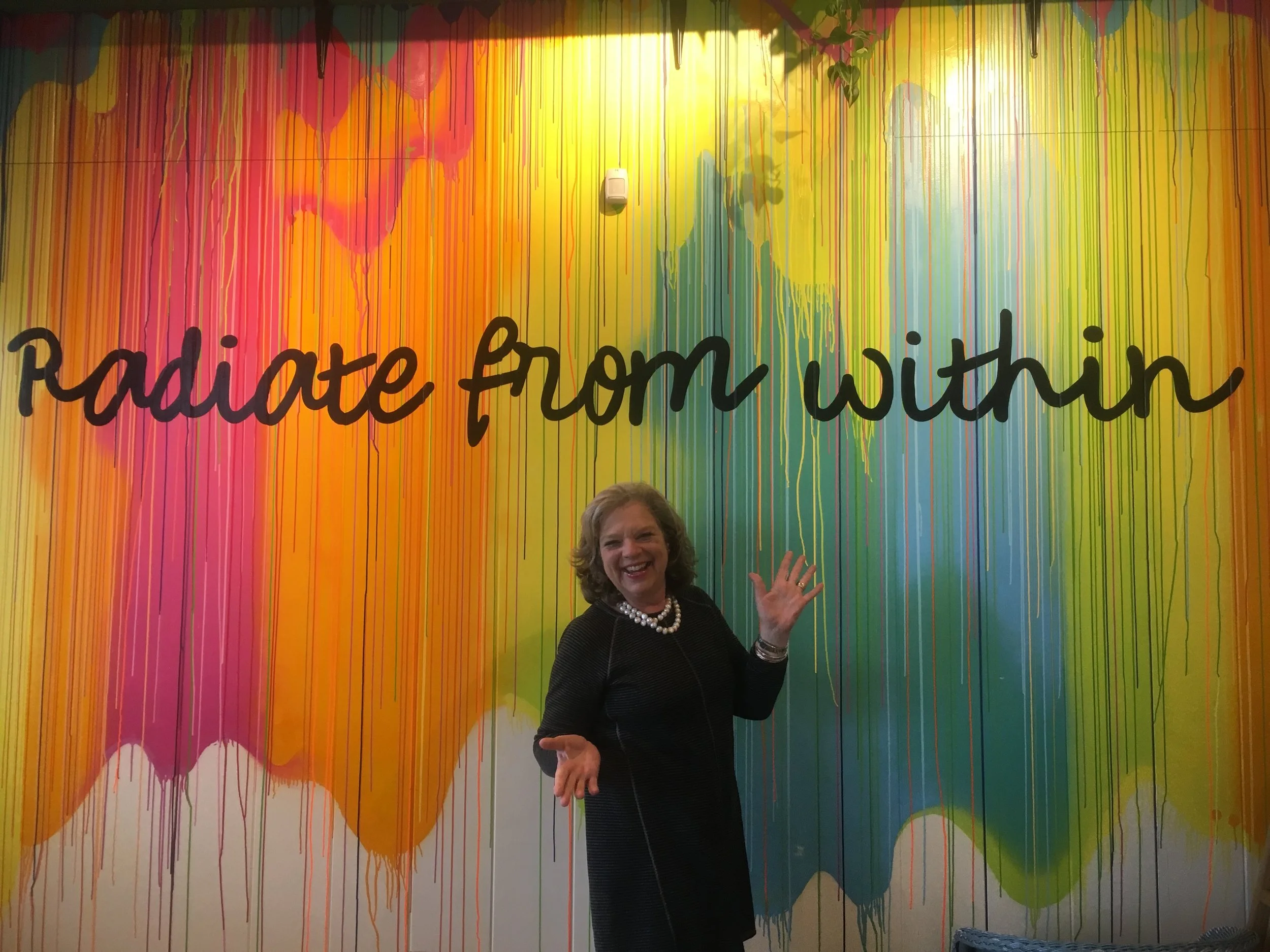
Laura Duty with Jessica Dunn, VP of Philanthropy, the LiftFund.
Oh the joys of resolutions. One of mine for the New Year was to publish a regular blog on topics relevant to nonprofits and funders. While having lunch with a colleague, I was lamenting my procrastination. Her advice, “simply start.” Just because the first post isn’t in January doesn’t mean the effort is blown for the whole year. Jessica, at last I am heeding your advice!
I also got to thinking about the root causes behind my foot dragging and realized I can point my procrastination to one word…fear. Fear that a post would simply be one more thing to land in the inbox. Fear that a post would not have relevance. Fear that a post would be meaningless. And yes, fear of rejection.
Then I realized one of the reasons I am in the business of working with nonprofit leaders and with funders is to help them overcome the very thing holding me back…fear. Publishing a regular blog is part of a strategy I developed to advance my consulting work. Based on marketing research and conversations, I realize these communications are key.
Because I had already missed early deliverables, I found my plan collecting dust as it sat on a shelf. It took talking with a colleague to put me on the path of actively working my business strategy.
Does this mindset sound familiar? Do you have ideas for strengthening your organization that may seem far-fetched? Do you have designs for developing strategies that are aligned throughout your organization from program to operating staff to the board? Are you looking for a neutral and confidential sounding board to toss ideas?
Coaches, consultants, mentors, and peers offer a safe space as you navigate the twists and turns of your work. Just as my colleague helped me I am here for you to listen, offer insights, connect you with resources, and support you as you overcome your own fears of walking down new paths. Let’s get started…

A Modern Day Definition of Poverty is Eye Opening
Half of Dallas households are struggling to make ends meet according to United Way’s newly released ALICE report.
Half of Dallas households are struggling to make ends meet according to United Way’s newly released ALICE report. ALICE stands for asset limited, income constrained, employed. These people and families earn more than the limits to qualify for federal benefits, but who struggle to provide for their family in ways that many of us take for granted. (I’m typing this note from the local coffee shop after enjoying a homemade slice of toast with peanut butter and honey.) The report further states more than 60% of jobs in Texas pay less than $20 an hour.

Serving Communities Better Through a Collaborative Data Lens
Here’s an example of funders and nonprofits working together for the common good.
An excellent example of collaborative philanthropy taking place in Frederick County, MD. The local community foundation, United Way, county government, and private funders are walking side by side with nonprofit organizations to simplify grant applications and to piece together a common set of outcomes and analysis to showcase the impact of their work. Thank you to Exponent Philanthropy and Foundant Technologies for sharing these efforts including the pivotal role of Foundant’s software for grantmakers and grantseekers in this work.

Thinking Creatively/Differently About Grant Agreements
Looking for examples of funders promoting their grantees on social platforms? Here is an example from the Crimsonbridge Foundation on how they spread the good work of their community partners.
As we start thinking about the New Year could funders also start thinking about ways to engage with nonprofit partners outside of grantmaking? The Crimsonbridge Foundation in Bethesda, MD actively promotes their community partners throughout the grant year via their website, blog posts, social media, and other platforms. The foundation’s grant agreement asks partners to supply photos, stories, and content - something not typically required in standard grant agreements. READ HOW these partnerships work (courtesy of Exponent Philanthropy).

Seven Game-Changing Things Nonprofit Can Learn from For Profits
We often hear that nonprofits should act more like for profits, but how? Read a post by Vu Le.
Vu Le is the Executive Director of Ranier Valley Corps, a nonprofit is Seattle that promotes social justice by developing leaders of color, strengthening organizations led by communities of color, and fostering collaboration between diverse communities. Each Monday Le posts on his blog, Nonprofit AF, thoughts or ideas for the week. This post is from a few weeks back, but is relevant especially when we hear the idea that nonprofits should act more like for profits. Read what Le thinks.